TEMPLATE: tERRA
ECOLOGICAL INTELLIGENCE FOR REGENERATIVE PLACES
“What if we designed places to become more alive?”
Template: Terra helps people understand, restore, and reimagine the places they call home.
We bring together environmental engineering, ecological design, geographic information systems, water and soil science, sensing technology, and creative visualization to understand landscapes as living systems—and to design human environments that can become healthier, more resilient, productive, and connected to the life around them.
Observe. Understand. Design. Restore. Measure. Learn.
OUR APPROACH
Listen to the Land. Design for Life.
Every place has a story.
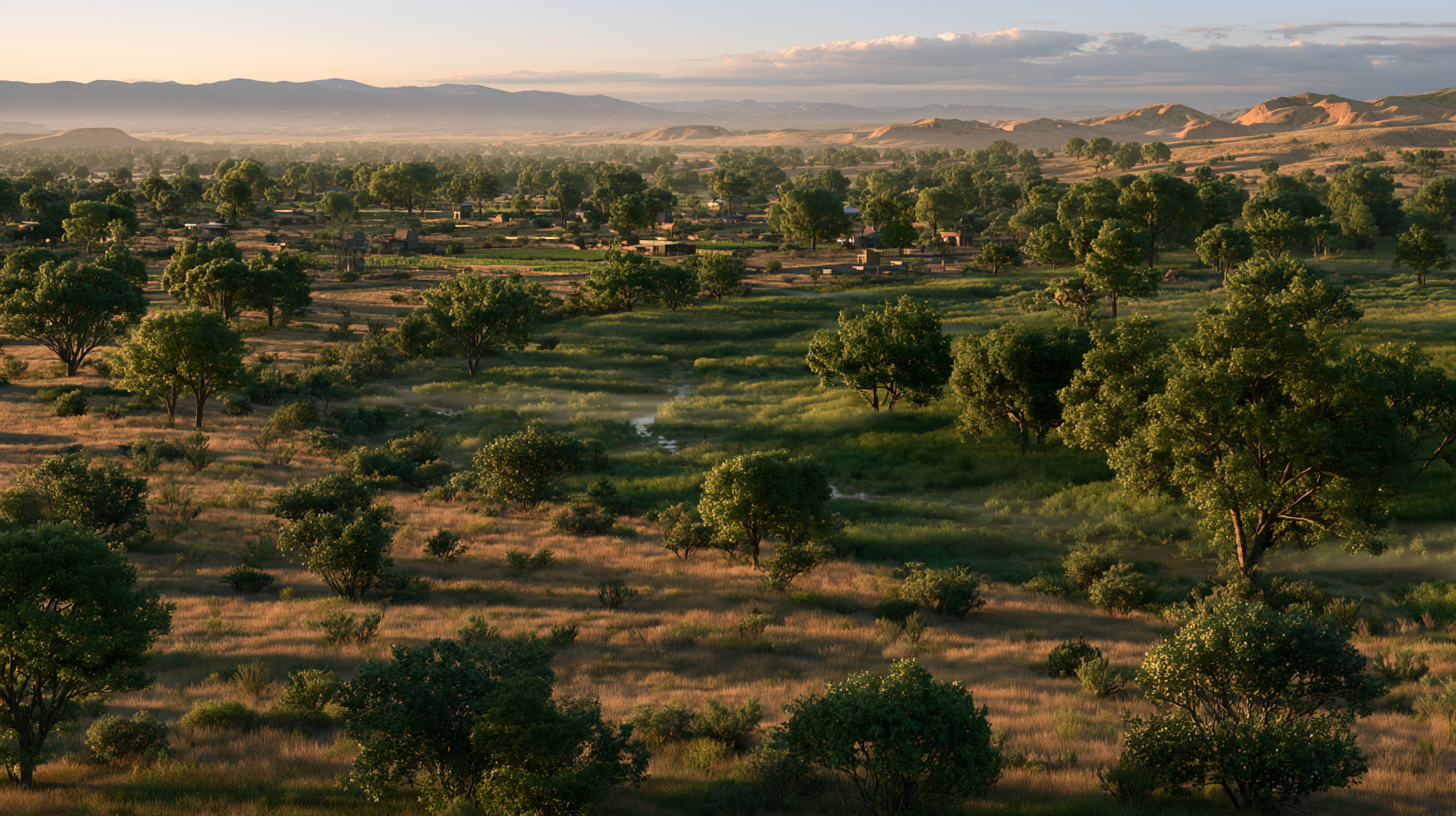
Water moves across it. Soils form and erode. Plants establish relationships. Animals find habitat. People build, farm, worship, gather, work, and dream.
The work of regenerative design begins by learning how these relationships already function.
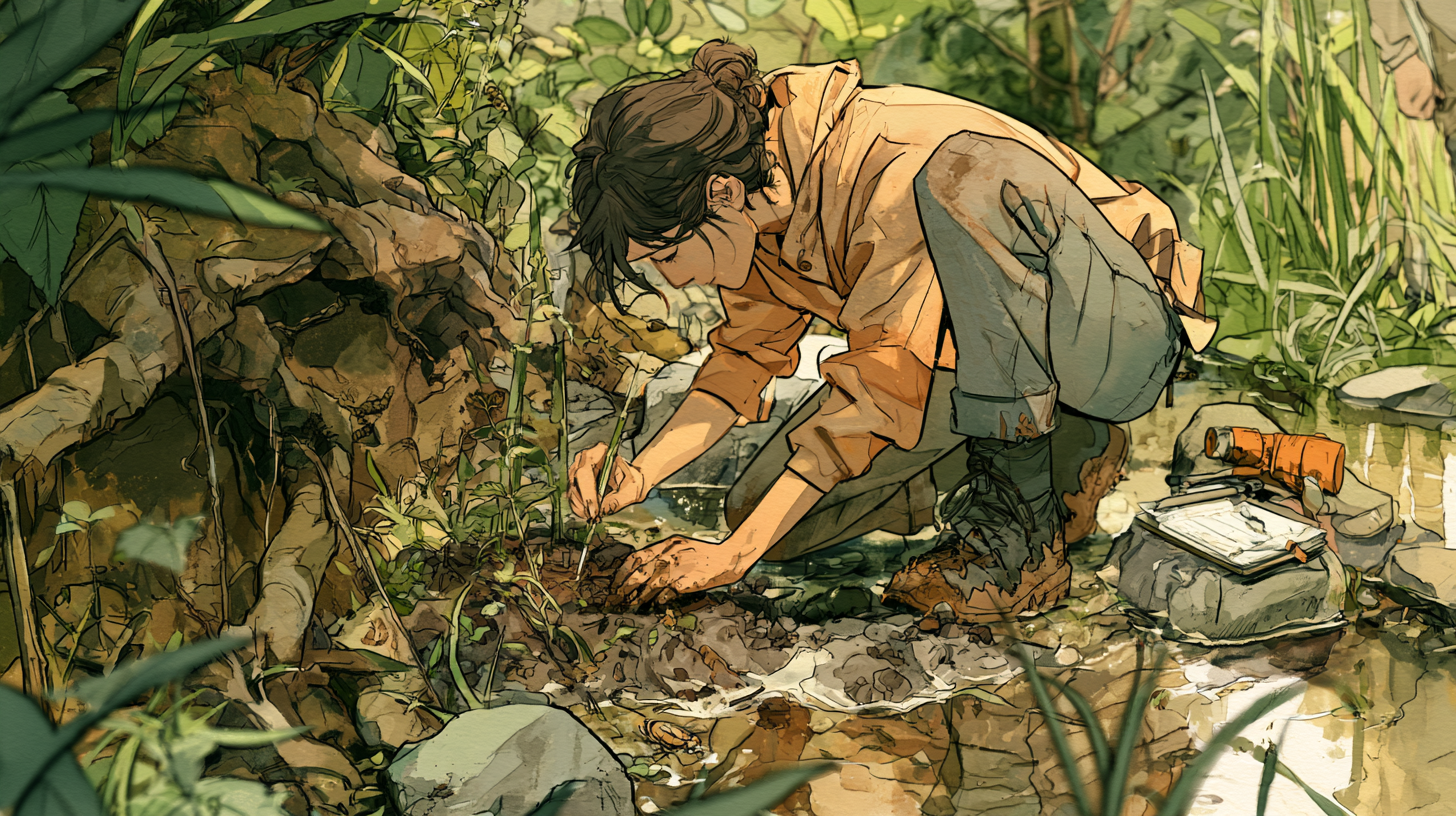
We use environmental data, field observation, GIS, ecological science, and human experience to understand a place before we intervene.
Then we ask a different question than conventional development often asks:
Not simply, “What can we build here?””
But, “What is this place already trying to become?””
We don't assume there is a single finished answer waiting to be imposed. We look for the possibilities already latent in the relationships of a place—and for the conditions that could allow those possibilities to emerge.
The land is not a blank canvas. It is a participant.
Our role is not to speak for the landscape, but to become attentive enough to work with it: to observe, interpret, test, design, and learn.

WHAT DOES ‘TEMPLATE’ MEAN?
A template is a pattern without being a prescription.
It provides enough structure for something coherent to emerge, while leaving room for the particular character of the place.
At Template: Terra, we are interested in the patterns that make healthy systems possible: relationships between water and soil, vegetation and habitat, people and land, infrastructure and ecology, observation and action.
We do not want to copy one regenerative landscape onto another. We want to understand the underlying relationships well enough that each place can develop an appropriate response of its own.
“Every place contains the beginnings of its own answer.”
Design, in this sense, becomes less about imposing a finished object and more about creating conditions for a living system to organize well.
eNVIRONMENTAL INTELLIGENCE
Turn Environmental Intelligence into Design Intelligence.
Modern landscapes generate enormous amounts of information.
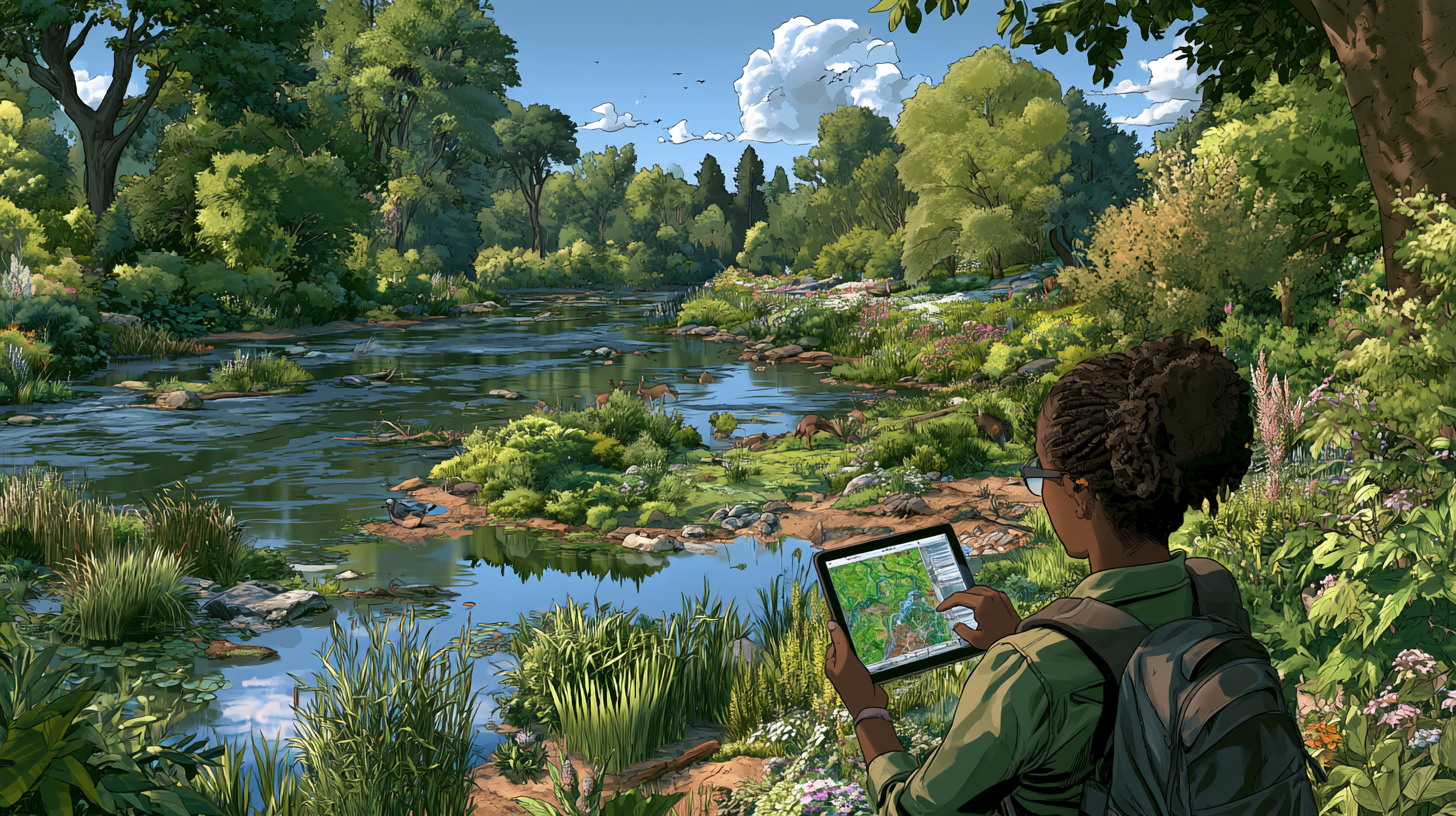
Topography tells us how water moves. Soils tell us what can grow. Vegetation reveals ecological history. Climate tells us what pressures are coming. Sensors can tell us what is happening now. GIS allows us to see relationships across space. Models allow us to explore possible futures.
Design transforms what we learn into action.
Template: Terra brings these forms of knowledge together.
We connect observation → understanding → possibility → design → intervention → measurement → learning.
The result is not simply a plan. It is the beginning of a relationship with a place.
Our ServiceS
Ways to Work Together
Every project is different. Some begin with a single question about a property. Others grow into comprehensive ecological or community plans.
I want to understand my land.
Property & Site Assessment — from $950
A focused investigation of your property's environmental opportunities and constraints. Depending on the project, an assessment may include terrain, hydrology, soils, vegetation, land use, access, environmental conditions, aerial imagery, and GIS analysis.
I need deeper environmental intelligence.
Land Intelligence Study — from $2,500
A deeper GIS-based investigation that brings multiple environmental datasets together to understand relationships between water, soil, terrain, vegetation, infrastructure, and human activity.
I want to restore my land.
Ecological & Regenerative Design — from $2,500
Practical strategies for increasing ecological function, biodiversity, resilience, productivity, and long-term land health.
Projects may include ecological restoration, regenerative agriculture, agroforestry, food forests, habitat creation, erosion and water management, soil improvement, native and climate-adapted planting, stormwater management, and restoration of degraded landscapes.
I want a complete vision for my property.
Regenerative Master Planning — from $5,000
A comprehensive vision for the future of a property or place, integrating ecological restoration, water systems, food production, habitat, circulation, buildings and infrastructure, community spaces, energy and resource systems, landscape design, and long-term stewardship.
I want to understand my water.
Water & Watershed Studies — from $1,500
Water is one of the primary organizing forces of every landscape. We can investigate hydrology, drainage, flood risk, stormwater, water harvesting, reuse opportunities, watershed relationships, and ways water can become an asset rather than simply a constraint.
I want better information about my soil.
Soil & Environmental Investigation — from $750 + laboratory costs
Healthy landscapes begin with healthy foundations. We can help evaluate soil chemistry, nutrients, texture, moisture, contamination, biological conditions, and other factors affecting ecological or agricultural performance.
I want my landscape to become measurable.
Environmental Monitoring & Smart Landscapes — custom
We integrate environmental sensors, IoT systems, GIS, and communications technologies to help land stewards observe changing conditions. The purpose is not to turn nature into a dashboard. It is to help us pay better attention.
I want to visualize the future.
3D Terrain & Environmental Visualization — from $1,500
Three-dimensional terrain models, spatial visualizations, conceptual designs, and digital representations that allow clients and communities to explore possible futures before they are built.
I want to build a community.
Restoration Community Planning — custom
We work with emerging communities and organizations to think through relationships between land, people, governance, infrastructure, ecological restoration, and long-term stewardship.
tHE pROCESS
Observe
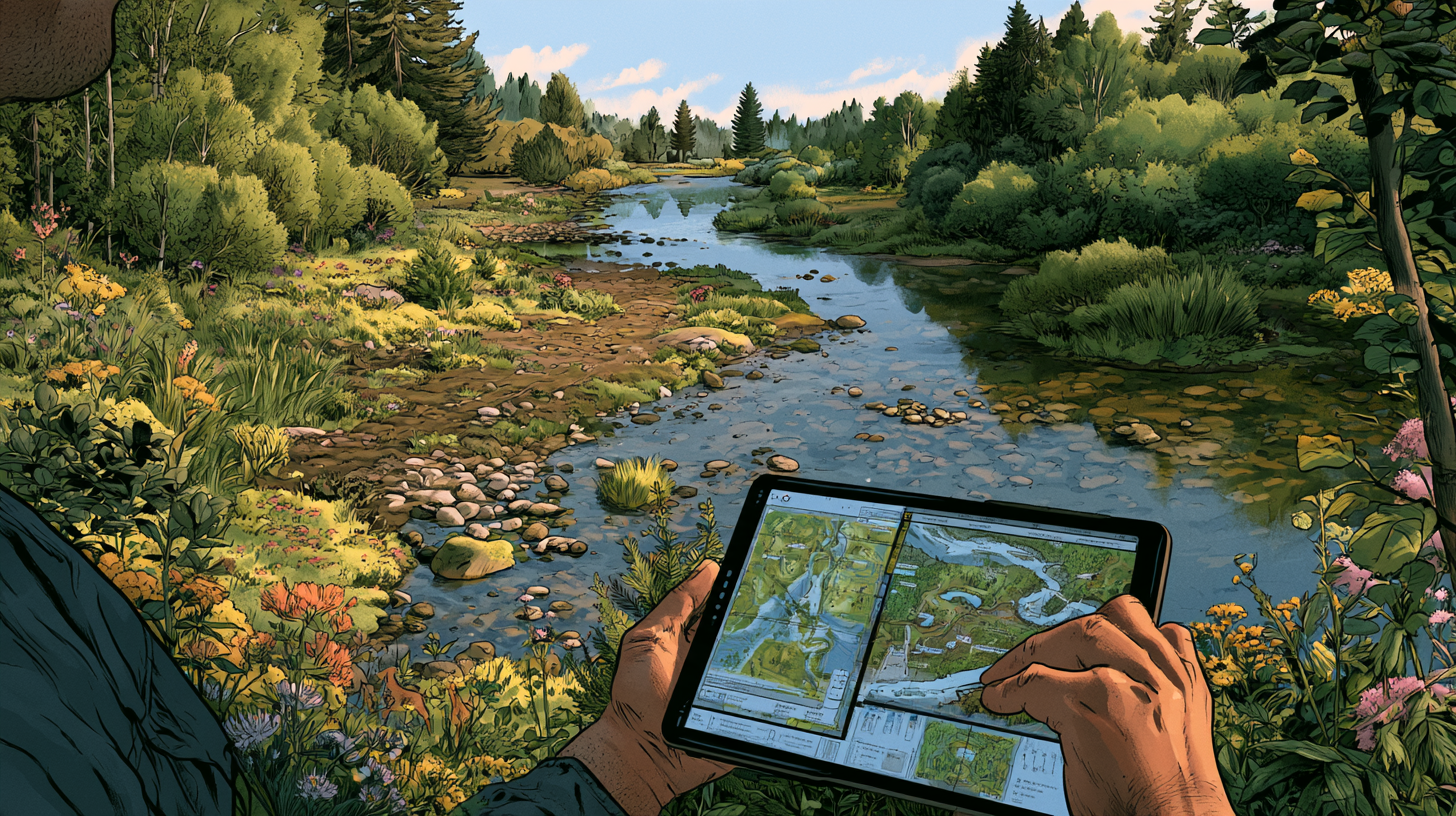
Begin with the place itself: maps, satellite imagery, topography, water, soils, vegetation, infrastructure, history, and people.
Understand
Bring these pieces together to understand the relationships within the landscape.
Design
Translate environmental intelligence into practical possibilities. The question is not only what we can build, but what intervention is most consonant with the place and most capable of increasing life.
Restore
Turn those possibilities into interventions that improve ecological and human systems.
Measure
Where appropriate, sensors, field observations, GIS, and other forms of monitoring help us understand what is changing.
Learn
The landscape becomes a teacher. Each intervention gives us new information about what works, what does not, andBwhat should happen next.
Regeneration is not a finished design. It is a learning process.
tHE tEMPLATE: tERRA pRINCIPLES
-
Every landscape is different. Listen before intervening.
-
A healthy system depends on what its parts do for one another
-
Seek the relationships and possibilities already present before deciding what form to impose.
-
Favor interventions that increase ecological function, biodiversity, resilience, productivity, and human flourishing.
-
Technology should help us perceive and understand—not distance ourselves from the living world.
-
Measure, learn, adapt, and try again.
-
Create conditions in which healthy patterns can arise without attempting to control every outcome.
-
Consider the people, organisms, watersheds, communities, and future generations affected by our decisions.
-
A restoration project becomes more valuable when its lessons can help another place.

HAVEN
A Landscape That Can Tell Us How It Is Doing
“What if a landscape could speak?”
Not metaphorically. What if we could observe soil moisture, water conditions, temperature, vegetation, biodiversity, land use, and other environmental signals—and connect that information to the people responsible for caring for a place?
Haven is an experiment in doing exactly that.
Sensors perceive. GIS remembers. Models interpret. People decide. Restoration responds. The landscape tells us what happened.
The purpose is not surveillance of nature. It is attention.
By connecting environmental sensing, spatial intelligence, ecological design, and human stewardship, Haven explores how communities might become more responsive to the living systems around them.
From one place to many: a single restoration project can teach us something. A network of restoration projects can learn.
CONSECUTION
A Philosophy of Becoming
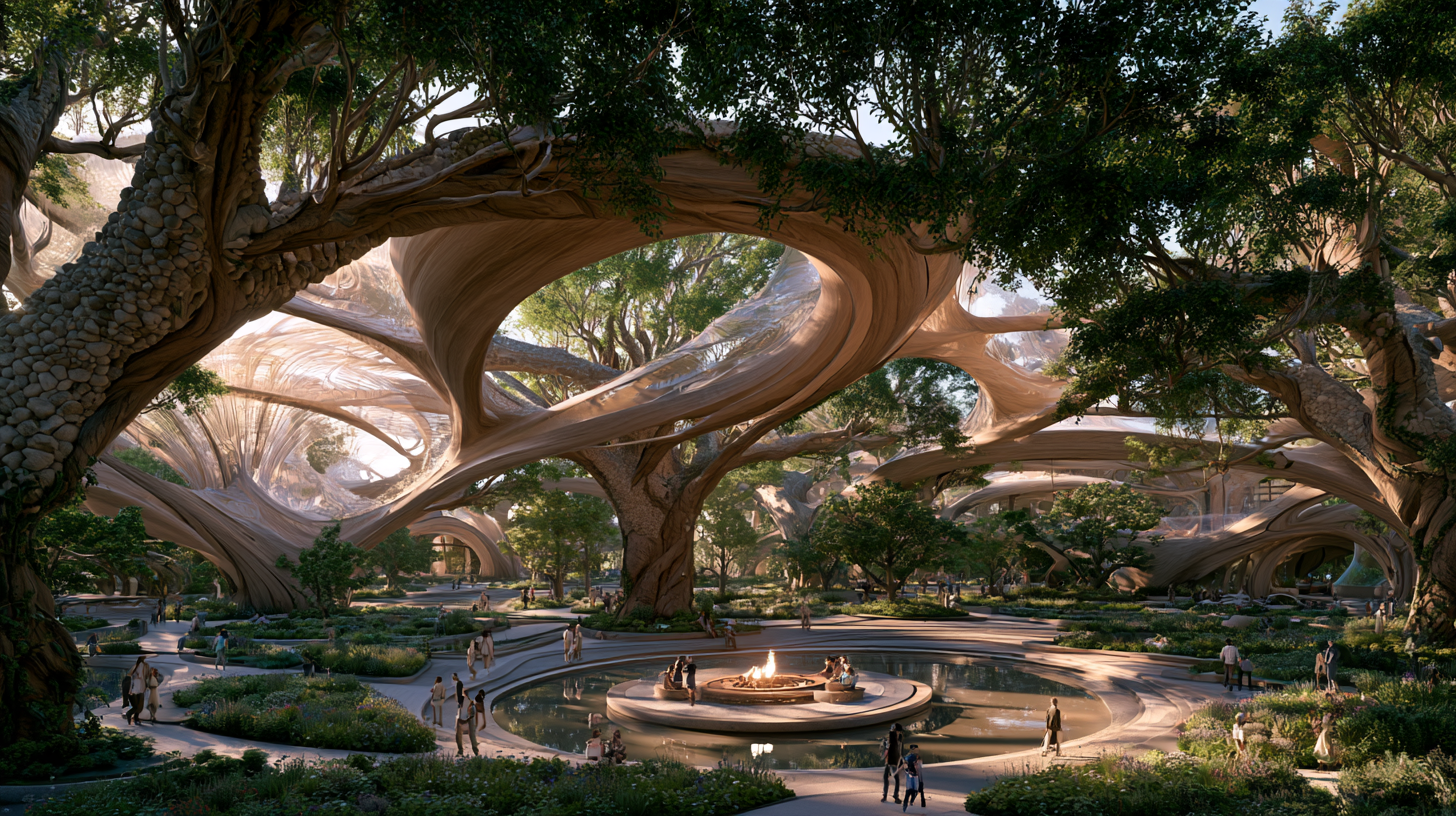
Behind Template: Terra is a larger question: What happens when humanity begins consciously participating in its own development?
Life has always organized itself through relationships. Cells cooperate to form organisms. Organisms participate in ecosystems. People form families, communities, cities, cultures, and civilizations. At every scale, new capabilities can emerge from relationships between parts.
The question is whether humanity can learn to do this more consciously.
Can our technologies become instruments of attention rather than extraction? Can our communities become more intelligent without becoming more controlling? Can our economies reward restoration rather than depletion? Can our settlements become beneficial members of the ecosystems in which they exist? Can our sphere of care expand?
Perhaps progress is not simply gaining more power. Perhaps it is becoming capable of using power responsibly across larger scales.
From self → family → community → watershed → ecosystem → future generations → humanity → the living Earth of which we are for and of.
The expansion of care is an expansion of responsibility. And responsibility, joined with knowledge and capability, becomes stewardship.
A LIVING SYSTEM
We increasingly understand landscapes not as collections of isolated objects, but as systems of relationships.
Water affects soil. Soil affects plants. Plants affect water. Animals move nutrients. People alter landscapes. Institutions determine what people are able to do. Technology changes what people can perceive. Culture changes what people value. Economics changes what gets built.
Every intervention enters a web of relationships.
Good design therefore begins with two questions:
“What relationships are we strengthening?”
“What becomes possible if we design for the system rather than only for the object?”
THE FUTURE WE ARE BUILDING
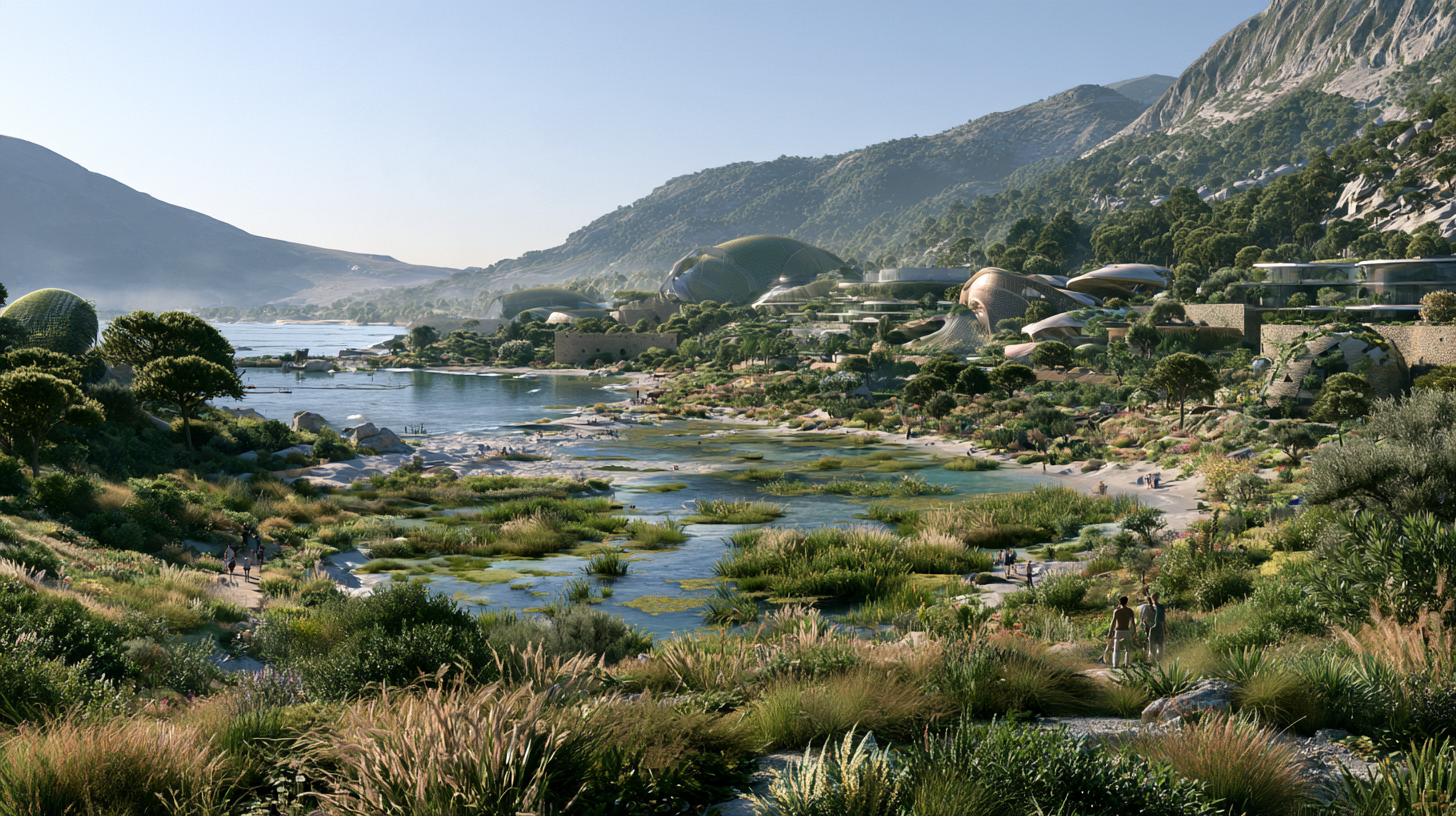
We are interested in a future where human settlements produce ecological value; technology increases our capacity for attention; communities become more resilient and participatory; land becomes something to steward rather than merely consume; scientific knowledge becomes more accessible and reusable; restoration becomes measurable; local experiments inform global learning; and people become increasingly capable of seeing themselves not as separate from nature, but as participants within it.
This is not a prediction.
It is an invitation to experiment.
work with us
Have a place in mind?
Maybe you have a piece of land. Maybe you are starting a farm. Maybe you are restoring a damaged landscape. Maybe you are trying to understand a water problem. Maybe you are planning a community. Maybe you simply know that something about the way your place is being used could be better.
Let's talk.
Your first consultation is free.
There is no need to arrive with a finished plan. Tell us what you're seeing, what you're hoping to create, and what you don't yet understand. We'll help you think through the possibilities.